Custom men's streetwear T-shirts remain one of the most flexible products for private label apparel brands. A T-shirt can carry a graphic story, introduce a new fit, test a fabric direction and build a recognizable brand identity without requiring the same development cost as jackets, denim or full cut-and-sew collections.
Still, the difference between a basic blank and a product that buyers remember is usually decided before production starts. The key decisions are fit, fabric weight, wash effect, print method, label details, packaging and how clearly the buyer communicates the project. This guide explains how to plan a custom men's streetwear T-shirt collection before you request a quote from an OEM streetwear T-shirt manufacturer.
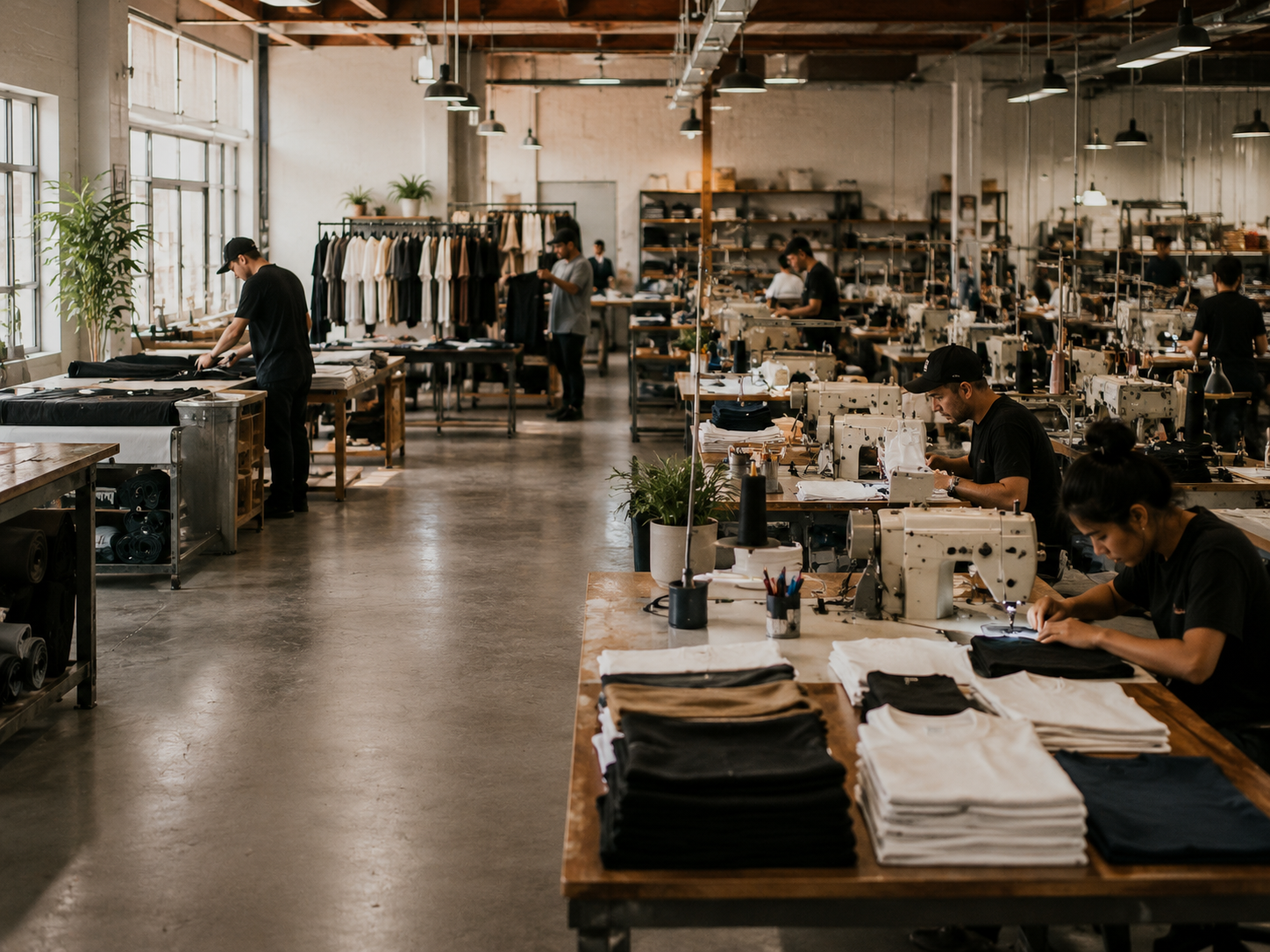
Start With The Customer And The Drop Plan
Before choosing fabric or artwork, define the customer and how the product will be sold. A vintage wash oversized tee for a streetwear drop has different requirements from a lightweight promotional tee. A premium online collection may need heavier cotton, stronger photos and branded packaging, while a wholesale program may need stable sizing, repeatable colors and practical production cost.
For a startup brand, the safest first collection is often a small set of focused styles instead of too many unrelated designs. You can begin with one core fit, two or three colorways and several graphic directions. If you need references, review the current custom men's graphic T-shirt catalog and compare how each style communicates fabric, wash, fit and print direction.
Choose The Right Fit For Men's Streetwear
Fit is one of the strongest signals in men's streetwear. Many buyers ask for an oversized T-shirt, but oversized can mean several different things: drop shoulder, boxy body, longer sleeve, cropped length, relaxed chest, wider hem or a heavier drape. A clear fit reference helps the pattern team understand the intended look.
Common fit directions
- Oversized fit: relaxed chest, wider shoulder and streetwear-friendly proportions.
- Boxy fit: shorter body length with a wider silhouette for a modern premium look.
- Drop shoulder fit: shoulder seam falls lower on the arm for a relaxed shape.
- Regular fit: easier for broad wholesale markets and lower-risk size grading.
When you send a quote request, include a size chart if you have one. If you do not, send reference photos and explain the target market. For example, US buyers often prefer a more relaxed chest and sleeve shape, while some EU fashion buyers may prefer a cleaner boxy silhouette.
Understand GSM, Fabric And Wash Effects
GSM describes fabric weight. It does not tell the full story, but it is a useful starting point. Many premium streetwear T-shirts use cotton jersey in the 240-320 GSM range because it gives the garment a stronger handfeel and better drape. Lighter weights can still work for summer, promotional programs or price-sensitive orders.
Vintage wash, acid wash and garment dye can make a T-shirt feel more developed, but they also affect color consistency, shrinkage and production planning. If you want a washed effect, ask your manufacturer to confirm the fabric, dye method and sample approval process before bulk production.
For example, the Iron Meridian Washed Charcoal Tee uses a heavier washed direction for a premium streetwear mood, while lighter cream or blue graphic tees can support a cleaner seasonal collection.
Select A Print Method That Matches The Design
The print method should be chosen based on artwork, fabric, order quantity and desired handfeel. Screen print is common for strong graphic coverage and repeatable production. Puff print adds raised texture and works well for logos or bold typography. Embroidery can create a premium detail, but it needs careful placement and thread planning. DTG can be useful for complex artwork or smaller tests, depending on fabric and color.
Do not choose a technique only because it is trendy. Choose it because it makes the artwork better and fits your price target. If your brand needs a distressed vintage effect, the artwork may need to be adjusted before printing so it looks intentional after washing.
Plan Private Label Details Early
Private label details make the product feel like your own brand. They also need time to develop. Common options include neck labels, wash labels, hangtags, size stickers, branded polybags and carton marks. These details should be discussed before sampling if you want the sample to represent the final retail product.
If you are comparing suppliers, ask whether label and packaging support is handled in one workflow. A complete OEM and ODM service should help you align fabric, fit, printing, labels, packaging and shipping instead of treating each step as a separate problem.
MOQ, Sampling And Production Timeline
MOQ depends on fabric, color, print process, label details and supplier capacity. A low MOQ can help startup brands test a new idea, but buyers should still think about repeat orders. If the first drop sells well, the next order should be easy to reproduce with the same fit, color and finish.
Sampling is the stage where you check fit, fabric, print scale, wash effect, label placement and finishing. Do not rush approval if the sample does not match your market. A small adjustment before bulk production is usually easier than fixing a full order later.
What To Send For A Faster Quote
A manufacturer can respond faster when the project information is clear. You do not need a perfect tech pack for the first message, but you should provide enough details to avoid a vague quote.
You can send these details through the custom T-shirt inquiry form or start with a quick message on WhatsApp. If you are not sure about GSM, print method or fit, send your target market and reference images first. A good supplier can help turn the idea into a clearer specification.
Build A Collection, Not Just One T-Shirt
The best custom T-shirt programs usually connect several products together. You can build a collection around one fit and different graphics, or one graphic language across several colors and washes. A consistent collection helps product photography, online merchandising and repeat buying.
For inspiration, compare styles like the Pathfinder Vintage Wash Tee, Ascent Blue Mountain Tee and Nashville Vintage Music Tee. Each product can serve a different visual mood, while still staying within the broader men's streetwear category.
Final Thoughts
A custom men's streetwear T-shirt is easier to produce when the buyer and manufacturer share the same product language. Start with the customer, define the fit, choose fabric and GSM carefully, match the print method to the artwork, plan private label details early and send a complete quote request.
When these details are clear, the manufacturer can give more practical advice on MOQ, sampling, bulk production and shipping. That makes the development process faster, more predictable and better aligned with your brand's market.